
Skincare · Summer
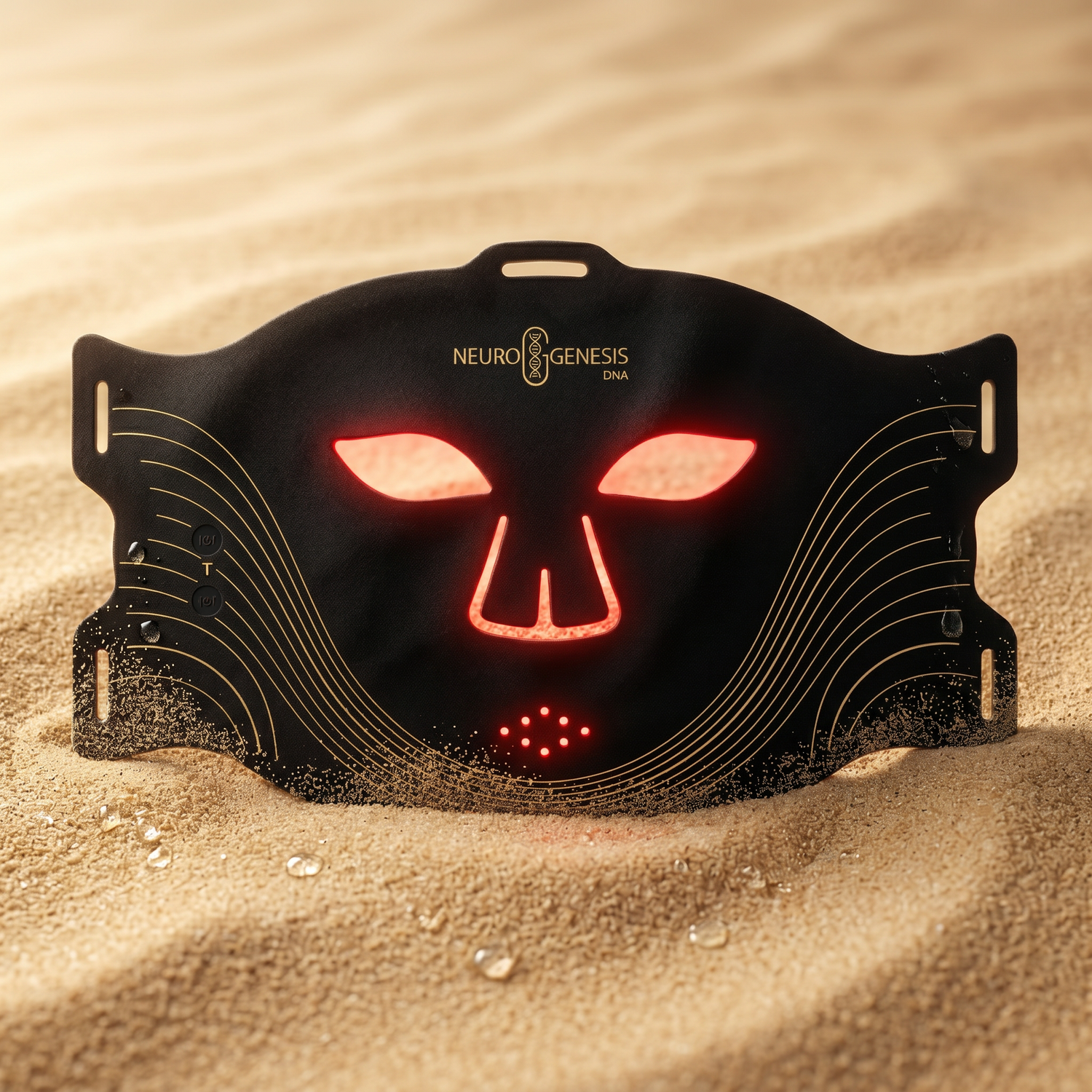
Why you should take your red light mask on holiday
Sun, salt, wind — summer is the toughest test for your skin. Here's what red light really does after a day at the beach, what it doesn't do, and why 12 minutes in the evening, after sun exposure, matters more than you think.

The holiday ends. Your skin, however, remembers everything. The tan you're so proud of now is, for your skin, the result of a defensive effort. And what you feel in the evening — tightness, heat, a faint redness — is the signal that it was a tough day.
There's nothing dramatic about it. But this is when a small gesture makes a real difference. And no, we're not talking about another cream. We're talking about 12 minutes of red light, in the evening, in your room, after a day at the beach.
In short
- Red light therapy masks use red light and near-infrared — not UV rays. They don't tan or harm the skin.
- They soothe redness, support collagen, and aid skin recovery between sunny days.
- For pigment spots: they contribute to a more even complexion over time, but they don't replace SPF, which is the only thing that truly prevents spots.
- Generally, it's best to use it in the first part of the day; on holiday, ideally in the evening, after sun exposure — ~12 minutes, on clean, cooled skin, never on skin still warm from the sun.
Summer is the toughest test for your skin
Strong sun, salt, chlorine, wind, dehydration. All these pull at the barrier at the same time. Skin loses water faster, becomes easily inflamed, and enters an "emergency repair" mode that you usually don't see — until, a few weeks later, you notice a more tired, less even complexion.

Red light therapy mask is not UV light
This is the number one confusion — and it needs to be clarified, because it changes everything. The sun's UV rays are what age the skin and trigger pigment problems. Red light has nothing to do with UV. It doesn't tan, it doesn't add solar aggression, it doesn't "put another round of sun" on already tired skin.
It is a gentle, visible wavelength, used precisely for its calming and recovery-supporting effect. Basically, it's the opposite of what your beach day did to you.
UV rays damage. Red light soothes. They are two completely different things.
What the red light mask does for your skin in summer
Let's be fair and stick to what is well-documented. Used consistently, in the first part of the day, red light helps the skin in three ways:
It calms. It reduces the sensation of irritated, tight, "internally burned" skin and helps temper redness, due to its anti-inflammatory effect.
It supports collagen. This is one of the most studied benefits of red light therapy: it stimulates the cells responsible for skin firmness — exactly what the sun degrades.
It supports recovery. Used daily, it helps the skin recover better between sun exposures — calmer, less reactive. And in the long run, well-recovered skin looks more even and luminous.

Red light mask and pigment spots
Pigment spots appear where the skin has defended itself from the sun and where inflammation has left its mark. This is where red light comes in: it calms precisely the inflammation that fuels the appearance of spots and supports cellular renewal and collagen — the processes on which smooth, luminous, and visibly more even skin depends.
Clinical studies have shown that LED light therapy can contribute to reducing hyperpigmentation, including on darker skin tones. Used consistently, morning after morning, it becomes a real support for a more even and luminous complexion over time — the part of skincare that works silently, day after day.
Combined with SPF every morning, it's the complete approach: you prepare and support the skin, then protect it for the whole day.
Good to know
The technology behind red light masks originates from NASA research. In the late 80s, scientists used red light LEDs to grow plants in space — and noticed an unexpected effect: wounds on their skin healed visibly faster under the same light. That discovery laid the groundwork for today's red light therapy — now brought from space laboratories directly into your home skincare routine.
Why you take it with you, not leave it at home
Because the moment your skin needs it most is precisely the holiday evening, after sun exposure — not three months later, at home. Recovery happens day by day, right then and there. A mask left in a drawer, no matter how good, does nothing.
It's small, it's simple, it fits in your luggage next to your SPF. And the difference between returning with rested skin and returning with tired skin is decided in those 12 evening minutes.
How to use it correctly on holiday
- Cleanse and cool your skinWash off salt and sunscreen. Let your skin return to normal temperature before the session.
- Apply a drop of hydrating serumA clean, soothing base — no photosensitizing ingredients in the evening, if you've been in the sun.
- 12 minutes of red lightRelaxed, on the bed or sofa. Follow the manufacturer's recommended duration, do not exceed it.
- Seal with hydrationA rich night cream. In the morning: SPF again, mandatory.

Summer doesn't have to be a compromise between enjoying the sun and preserving your skin. It's just about the right gesture, at the right time. And that is in the evening, in the room, with the red light on.
Ready for holiday?
Pack your red light mask, alongside your SPF. Your skin will thank you every morning.
Discover the mask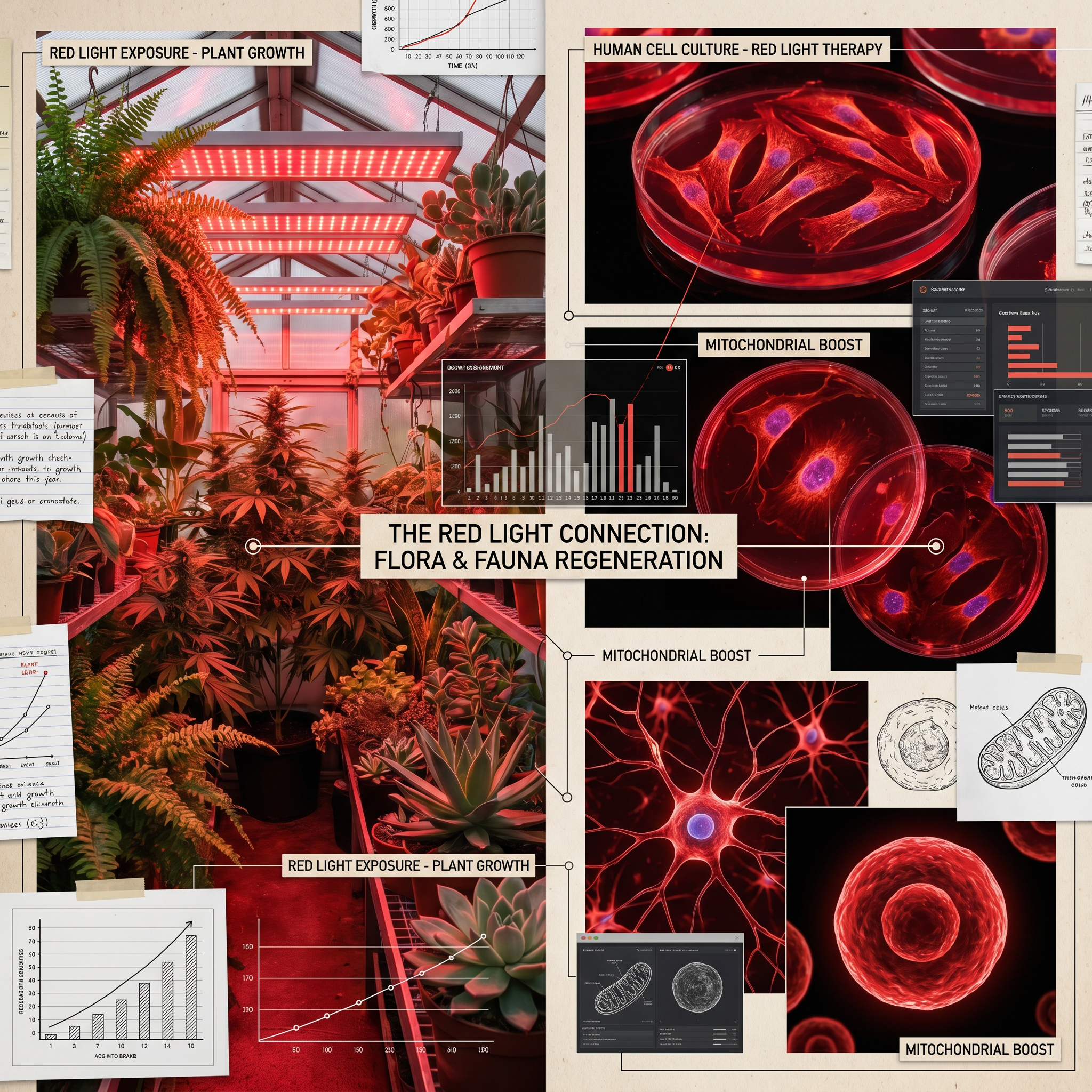


Leave a comment
All comments are moderated before being published.
This site is protected by hCaptcha and the hCaptcha Privacy Policy and Terms of Service apply.